
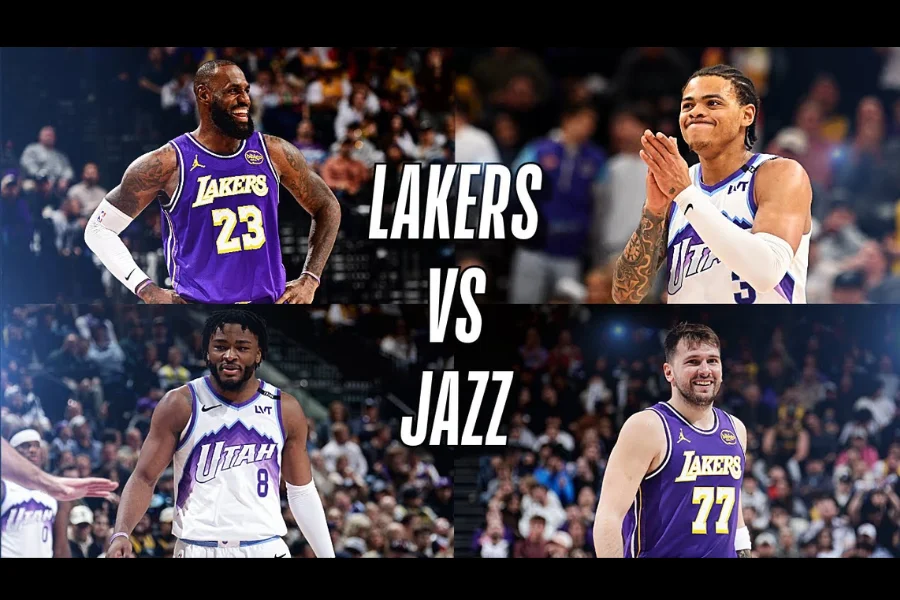

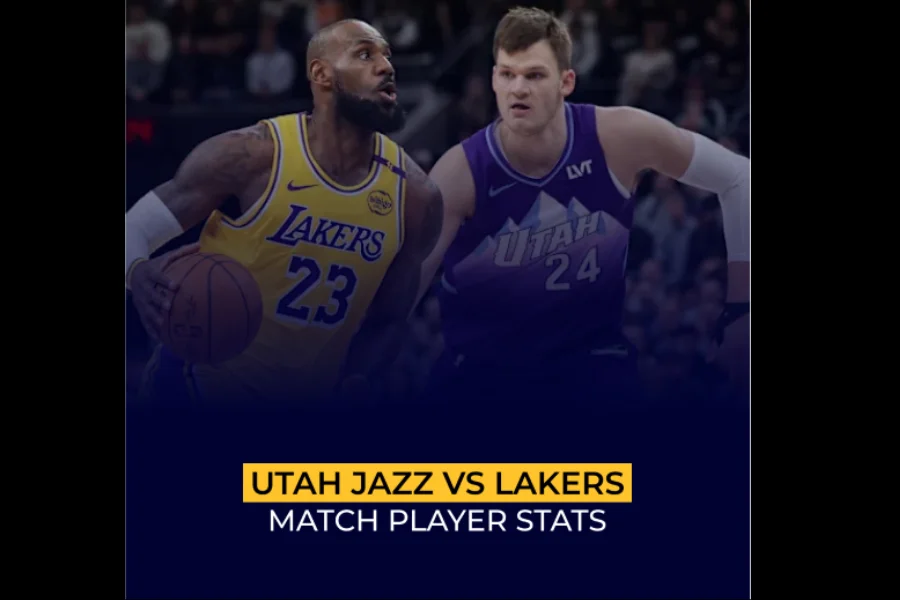
Utah jazz vs lakers match player stats: Basketball games aren’t just about who scores the most points. Behind every win or loss are strategies, player efforts, and moments that change the flow of the game. The Utah Jazz vs Lakers matchup is a perfect example. On the surface, it’s a high-scoring, fast-paced battle. But when you dive into the stats, you see how every rebound, assist, and clutch shot tells the story of who really dominated. This game wasn’t just about stars shining individually—it was about teamwork, efficiency, and making the right plays under pressure. In this article, we’ll break down the match in detail, explain the key stats in simple terms, and help you understand why the Lakers ultimately edged out the Jazz. Whether you’re a longtime fan or just learning about the NBA, these insights will make the game easier to follow and more exciting to watch.
Match Overview
The Utah Jazz and Los Angeles Lakers faced off in a thrilling regular-season game that ended with a 143–135 Lakers win. The matchup was at the Delta Center, and it had playoff implications for the Lakers while the Jazz were focused on giving their young players experience. From the tip-off, the game was fast-paced, with both teams taking turns scoring and leading the scoreboard. The Jazz relied on outside shooting and fast breaks, trying to capitalize on quick possessions. The Lakers, on the other hand, attacked the paint and leveraged their size, using pick-and-roll plays to create open shots for their stars. Each quarter featured momentum swings, with the Jazz making runs from beyond the arc and the Lakers responding with high-percentage shots closer to the basket. By the fourth quarter, the Lakers’ experience and ability to control the pace allowed them to take a slight edge. While the score reflects a high-scoring contest, the real story lies in the strategic execution, efficiency, and key performances that shaped the outcome. This game showed that controlling momentum and limiting mistakes often determines the winner.
Key Player Performances
Lakers’ Top Performers
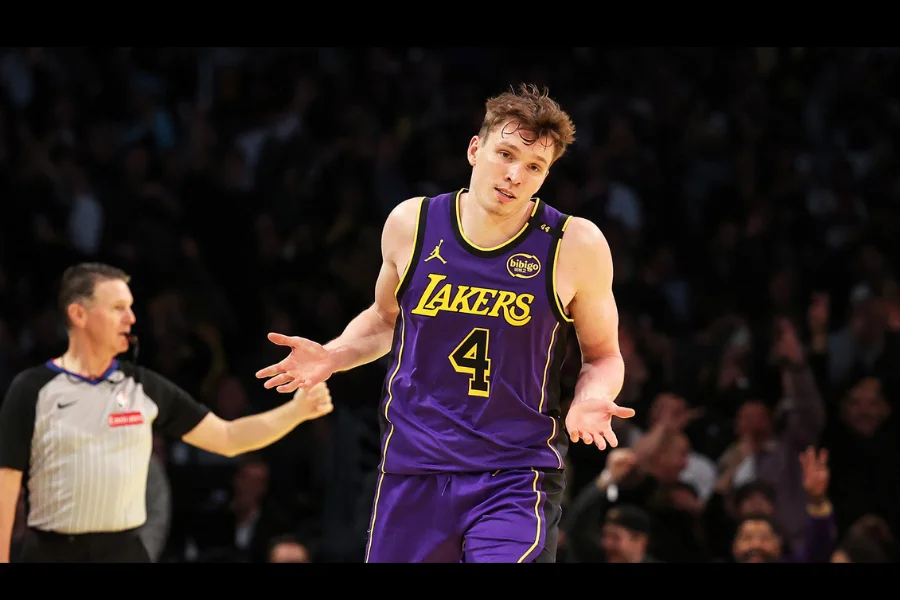
The Lakers’ stars dominated this matchup, showing why experience and versatility matter. Luka Dončić led the team with an incredible all-around performance. He scored over 40 points, grabbed double-digit rebounds, and dished out multiple assists, controlling the game’s pace. His ability to read the defense and create open shots for teammates made him a central figure in both scoring and playmaking. LeBron James contributed around 28 points and 10 assists, playing with intelligence and poise. He didn’t force difficult shots but attacked when it mattered most. Meanwhile, Anthony Davis dominated in the paint, scoring efficiently and protecting the rim with key blocks and rebounds. Together, these three players not only scored points but also dictated the flow of the game, controlling tempo, creating spacing, and taking smart shots. In real life, this is like having a team where every member knows exactly when to act and when to support—making it nearly impossible for opponents to gain momentum. Their combination of scoring, defense, and decision-making gave the Lakers a clear advantage.
Utah Jazz Standout Players
The Utah Jazz may have lost, but several players stood out with impressive efforts. Keyonte George scored over 30 points and contributed assists, helping keep Utah competitive throughout the game. His energy and ability to create scoring opportunities for himself and teammates were vital during key stretches. Isaiah Collier provided a strong playmaking presence, with multiple assists that kept the Jazz’s offense moving smoothly. Lauri Markkanen added scoring from both inside and beyond the arc, stretching the Lakers’ defense and creating space for others. Despite these efforts, the Jazz struggled to maintain consistency, especially late in the game when the Lakers’ experience and control of pace gave them the edge. This highlights an important basketball truth: flashes of brilliance can keep a game close, but consistent execution and minimizing mistakes ultimately decide the outcome. For Utah, the young players showed promise, hinting at future potential while learning how to compete at the highest level.
Complete Player Stats Table
Statistics provide a clear snapshot of player contributions. A quick glance at this game shows that the Lakers had balanced performances across scoring, assists, and rebounds, while the Jazz relied heavily on a few standout players. For example, Luka Dončić had a near triple-double, meaning he impacted multiple areas beyond just scoring. LeBron James delivered solid points, assists, and rebounds, reflecting his all-around game. On the Jazz side, Keyonte George led scoring, but efficiency and support from other players were less consistent. Shooting percentages tell another part of the story: the Lakers took smarter, higher-percentage shots near the basket, while the Jazz relied more on long-range attempts. Rebounds and turnovers also illustrate the flow of the game. Anthony Davis’ dominance on the boards created extra scoring chances, while Jazz turnovers allowed the Lakers additional possessions. Tables like this make it easy to identify not only who scored the most points but also who controlled tempo, created opportunities, and influenced key moments. When reading stats, remember that balance across multiple categories usually correlates with winning games.
Team Stats Comparison
Shooting efficiency played a major role in determining the winner of this high-scoring game. The Lakers had a higher field goal percentage, meaning that for every shot they took, they were more likely to score. They focused on attacking the paint, taking closer and higher-percentage shots rather than relying too heavily on outside attempts. This approach reduced wasted opportunities and allowed them to maintain consistent scoring throughout the game. On the other hand, the Jazz leaned heavily on three-point shooting, which worked well early but became risky as the game went on. When long-range shots miss, it leaves gaps for the opposing team to exploit, slowing momentum. The Lakers’ strategy of prioritizing efficiency over volume paid off, especially in the second half when each possession mattered more. It’s a good example of how basketball is as much about smart decision-making as it is about raw talent—choosing the right shot can make the difference between winning and losing in tight contests. In this matchup, consistent shooting efficiency gave the Lakers a clear edge.
Rebounds and Second-Chance Points
Rebounding is often underrated, but it can completely change a game’s outcome. In this matchup, the Lakers dominated the boards, especially on the offensive end. Offensive rebounds are like bonus possessions—they give teams a second chance to score after missing a shot. Anthony Davis was particularly crucial in this regard, grabbing key rebounds and limiting opportunities for the Jazz. While the Jazz were aggressive in pursuing rebounds, they were outmatched in timing and positioning, which allowed the Lakers to control possession more consistently. Rebounding impacts both offense and defense: grabbing defensive boards stops your opponent from scoring second-chance points, while offensive boards create extra opportunities for your team. In real life, you can think of it like getting extra chances on a test—you have more opportunities to succeed. The Lakers’ dominance in this area helped swing the game in their favor, giving them more scoring chances and putting pressure on the Jazz to play catch-up.
Assists and Ball Movement
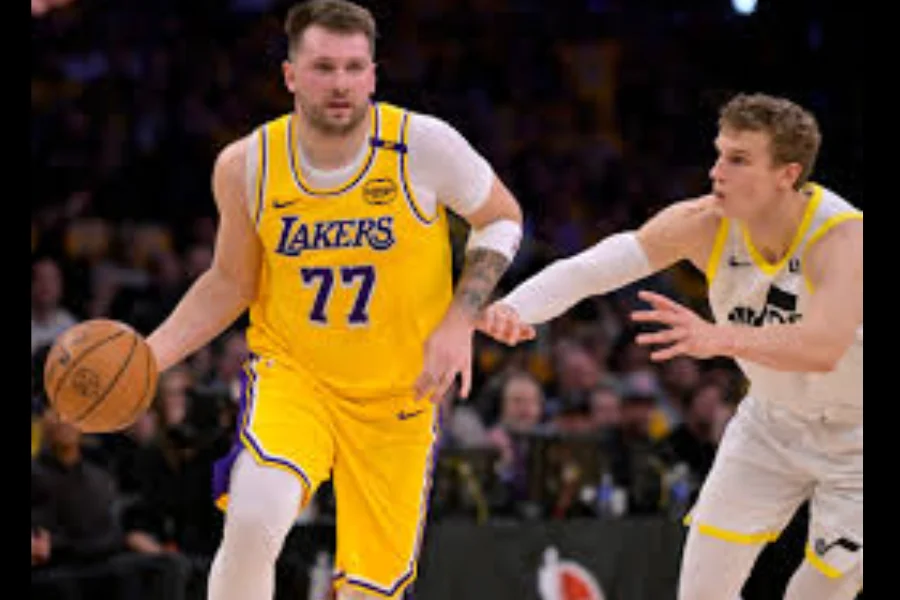
Ball movement was another key factor in this game. The Lakers shared the ball efficiently, moving it quickly to create open shots and high-percentage opportunities for teammates. This teamwork allowed for easy layups and uncontested three-point shots, which increased scoring efficiency and kept the defense off balance. The Jazz also moved the ball well in the early stages, but under pressure, their passes became hurried, leading to missed chances or turnovers. In basketball, passing is like teamwork in a group project: coordination improves results, while rushed or selfish efforts often fail. Watching the Lakers, you could see how effective passing opened up spaces, allowing star players to attack mismatches and role players to find open shots. Ball movement also affects momentum—when the offense flows smoothly, the defense struggles to keep up. For the Jazz, occasional lapses in passing disrupted rhythm and gave the Lakers opportunities to capitalize. This shows that even if you have talented scorers, effective team play is often what separates a winning team from a losing one.
Turnovers and Mistakes
Turnovers were another decisive factor in this matchup. The Jazz committed more errors, especially during critical stretches late in the game, giving the Lakers additional possessions. Each turnover is essentially a free opportunity for the opponent to score, and in a game with so many points on the board, these small advantages accumulate quickly. Meanwhile, the Lakers minimized mistakes, protecting the ball and controlling the pace. This contrast in discipline explains why the Lakers could pull ahead even when the Jazz were making impressive shots from outside. Turnovers also affect momentum—when a team loses the ball in a key moment, confidence can drop and pressure mounts. The Jazz’s mistakes late in the game highlighted the difference between raw scoring ability and execution under pressure. In real terms, it’s like dropping the ball in the final moments of a race—those small errors can undo all the effort put in earlier. The Lakers’ ability to limit turnovers allowed them to maintain control, protect their lead, and execute their game plan successfully.
How the Game Was Decided
The game featured several moments that ultimately determined the outcome. Early on, the Jazz had bursts of energy, hitting three-pointers that briefly gave them the lead. However, the Lakers responded with a mix of high-percentage shots and smart pace control, slowly regaining momentum. The turning point came in the fourth quarter, when the Lakers went on a scoring run while the Jazz missed key opportunities. In basketball, momentum swings can be fragile—once a team gains confidence or forces mistakes from the opponent, it’s difficult to reverse. The Lakers’ experience allowed them to stay calm during these stretches, execute plays with precision, and protect the ball, while the Jazz became rushed and inconsistent. Watching these sequences shows how strategy and composure matter as much as talent. For fans, these moments are thrilling because they reveal the “behind-the-scenes” decisions: when to attack, when to pass, and when to slow the pace. It wasn’t a single highlight that decided the game—it was a series of controlled plays and smart reactions.
Clutch Performance
The final five minutes revealed the difference between experience and raw energy. The Lakers stayed composed, taking carefully selected shots and avoiding unnecessary risks. Luka Dončić and LeBron James controlled the tempo, slowing the game to prevent the Jazz from exploiting fast-break opportunities. Meanwhile, the Jazz rushed possessions and took less efficient shots, which led to turnovers and missed chances. Crunch-time basketball is a test of precision and focus, similar to the final minutes of a tight exam: speed alone isn’t enough, you need smart execution. The Lakers demonstrated this perfectly, converting opportunities while limiting mistakes. The Jazz had the talent to compete, but their decision-making under pressure fell short. This highlights a key basketball lesson: being able to perform under pressure often outweighs individual skill alone. In this matchup, the Lakers’ clutch performance in the last five minutes sealed the win and showcased the value of experience, calmness, and game awareness.
Bench and Role Player Contributions
Bench players often make the difference between a good team and a great team, even if they don’t get the headlines. In this game, the Lakers’ bench contributed consistently with points, energy, and defensive hustle. Players coming off the bench helped maintain momentum when starters rested, hitting open shots, grabbing rebounds, and making smart passes. Their efforts allowed the stars to perform without fatigue and prevented the Jazz from building long scoring runs. The Jazz bench scored as well, but their defensive lapses allowed the Lakers to capitalize on easy opportunities. Even small contributions, like boxing out for rebounds or forcing a turnover, added up and helped keep the game under control. In real life, a bench is like the backup staff in an office—without them, the team can falter when the main players are unavailable or need a break. The Lakers’ ability to rely on bench support ensured continuity and allowed their starters to focus on executing clutch plays, giving them a clear edge over the Jazz.
Tactical Breakdown
Lakers’ Strategy
The Lakers’ approach combined smart offense, strong defense, and pace control. Offensively, they attacked the paint, used pick-and-roll plays, and created mismatches that allowed their stars to score efficiently. Defensively, they switched effectively to protect the rim, contest three-pointers, and limit easy fast-break points. By controlling the game’s tempo, the Lakers forced the Jazz to take rushed or lower-quality shots. This strategy wasn’t flashy—it was about discipline and execution. Think of it like a chess match: each move was calculated to put the Jazz under pressure while keeping the Lakers’ options open. Their tactical flexibility allowed them to adjust when the Jazz made runs, slow the game when ahead, and exploit mismatches efficiently. This balance between offense, defense, and pace control was a key reason they won, proving that basketball strategy is as much about planning and adjustments as it is about scoring points.
Utah Jazz Strategy
The Jazz relied on fast-paced offense and three-point shooting to compete. Early in the game, this approach generated scoring bursts and kept the contest close. Young players like Keyonte George and Isaiah Collier were able to take advantage of quick possessions and spacing on the floor. However, as the game progressed, the Jazz struggled to sustain efficiency. Missed threes and turnovers allowed the Lakers to take control of possessions, while defensive lapses in the paint exposed weaknesses against the Lakers’ taller and more experienced players. Their reliance on outside shooting created high-risk situations, especially under pressure in the fourth quarter. While the strategy worked in stretches, it wasn’t enough to maintain momentum against a disciplined opponent. This shows that a fast tempo and long-range reliance can be exciting but must be paired with consistency and defensive focus to succeed at the highest level.
Advanced Insights from the Stats
Looking beyond basic numbers reveals subtle differences that shaped the outcome. The Lakers’ higher efficiency and lower turnover rate meant they maximized scoring opportunities while minimizing mistakes. Even small advantages in rebounds, free throws, or shot selection added up over the course of the game, giving them an edge in close stretches. Pace control was another factor—the Lakers slowed the game at key moments, forcing the Jazz to rush possessions and take less efficient shots. This shows that winning in basketball isn’t just about flashy scoring; it’s about controlling small details that accumulate into a big advantage. The Jazz had strong three-point shooting and energy, but minor lapses in execution and decision-making prevented them from converting opportunities consistently. In practical terms, this demonstrates a principle applicable to many team situations: consistency, smart planning, and small adjustments often outweigh raw talent or high-scoring bursts. For fans watching closely, these stats tell the story of why the Lakers controlled the game even in a high-scoring, back-and-forth matchup.
What This Game Means for Both Teams

For the Lakers, this win confirms that their star players, bench depth, and tactical flexibility are working in harmony. The team looks ready to contend in the playoffs, relying on experience, efficiency, and smart decision-making. It also highlights their ability to control pace and manage momentum in high-pressure situations. For the Jazz, the game was a valuable learning opportunity. Young players displayed talent, energy, and scoring ability, but inconsistency and defensive gaps prevented them from closing out in critical moments. This matchup shows that while raw scoring potential is exciting, teams must pair it with execution, discipline, and decision-making under pressure to win consistently. The Jazz can take positives, such as breakout performances and offensive efficiency, and use them to grow. Meanwhile, the Lakers can see that their balanced approach—combining star power, bench contribution, and tactical adjustments—continues to give them an edge.
Head-to-Head Context
Looking at recent matchups, the Lakers have consistently had the upper hand. Over the last several meetings, they have won most games, showcasing superior experience, execution, and strategic control. The Jazz have earned victories, especially at home, but the Lakers’ combination of star power, efficiency, and clutch performance often determines outcomes. High-scoring, fast-paced games are typical for this matchup, and they highlight contrasting styles: the Lakers rely on efficient scoring and defensive discipline, while the Jazz often lean on perimeter shooting and quick transitions. Understanding these trends helps fans anticipate the flow of future games and shows why even when the Jazz perform well individually, controlling mistakes and managing momentum are crucial. In essence, the Lakers’ recent dominance demonstrates that strategy and execution frequently outweigh raw scoring potential in determining winners.
Final Words
While the scoreboard shows a Lakers victory, the underlying stats reveal how and why they won. Their combination of efficient shot selection, rebounding dominance, strong passing, and clutch decision-making made the difference. The Jazz had moments of brilliance and competitive scoring, but turnovers, inconsistent defense, and rushed late-game plays prevented them from capitalizing. This game reinforces a key basketball lesson: winning requires more than just talent; it demands discipline, composure, and smart execution. The Lakers excelled in all these areas, controlling pace, managing momentum, and converting small advantages into a winning formula. Fans can take away a clear message—success in basketball is as much about making the right decisions under pressure as it is about scoring points. The Jazz showed promise, but the Lakers’ complete execution proved superior.
At Twirl n Shape, we help you stay inspired, move with confidence, and embrace every step of your pole fitness journey.