

Introduction
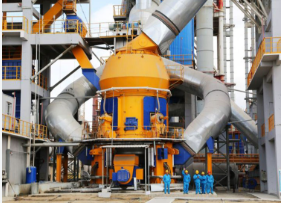
In today’s industrial landscape, the demand for ultra-fine, high-quality powders is growing rapidly across sectors like cement, mining, and energy. Traditional grinding systems are increasingly struggling to meet modern efficiency and sustainability standards. This is where the Vertical Roller Mill steps in as a transformative solution. With its advanced design and superior performance, the Vertical Roller Mill is redefining how fine powder production is approached.
Manufacturers and plant operators are no longer just looking for equipment that works—they want systems that optimize output, reduce energy consumption, and ensure long-term reliability. Industry leaders like Cementl are at the forefront of this transition, delivering cutting-edge Vertical Roller Mill solutions tailored to evolving industrial needs.
The Evolution of Grinding Technology
Grinding technology has come a long way from conventional ball mills and basic crushing systems. While older methods served their purpose, they often came with high energy consumption, inconsistent product quality, and large operational footprints.
The Vertical Roller Mill represents a significant leap forward. By integrating grinding, drying, and classification into a single unit, it simplifies the production process while improving efficiency. This streamlined approach allows industries to produce fine powders with greater precision and less waste, making the Vertical Roller Mill a preferred choice for modern facilities.
Superior Energy Efficiency and Sustainability
One of the strongest reasons why the Vertical Roller Mill is shaping the future of fine powder production is its exceptional energy efficiency. Compared to traditional systems, it requires significantly less power to achieve the same or even better results.
Energy savings are not just about reducing costs—they are also critical for meeting environmental regulations and sustainability goals. A well-optimized Vertical Roller Mill reduces carbon emissions and minimizes resource consumption. Cementl has developed energy-efficient systems that align with global sustainability standards, helping industries move toward greener operations without compromising performance.
Consistent Product Quality and Precision
In fine powder production, consistency is everything. Variations in particle size can directly affect the quality of the final product, whether it’s cement, minerals, or industrial powders.
The Vertical Roller Mill excels in delivering uniform particle size distribution. Its built-in separator ensures precise classification, allowing only the desired fine particles to pass through while returning coarse material for further grinding. This level of control makes the Vertical Roller Mill ideal for industries that demand high precision and reliability.
Cementl enhances this capability with advanced control systems that allow operators to fine-tune parameters and maintain consistent output under varying conditions.
Compact Design and Space Optimization
Space is often a critical factor in industrial plant design. Traditional grinding systems can be bulky and require multiple pieces of equipment, leading to higher installation and maintenance costs.
The Vertical Roller Mill offers a compact and integrated design that significantly reduces the overall footprint. By combining multiple functions into one system, it simplifies plant layout and lowers infrastructure requirements. This makes it particularly attractive for new installations and plant upgrades where space efficiency is a priority.
Cementl’s designs focus on maximizing productivity while minimizing space usage, ensuring that businesses get the most out of their facilities.
Lower Maintenance and Enhanced Durability
Maintenance is a major concern in any industrial operation. Frequent breakdowns and high repair costs can disrupt production and reduce profitability.
The Vertical Roller Mill is engineered for durability, with wear-resistant components and optimized design features that reduce mechanical stress. This results in longer service life and lower maintenance requirements compared to traditional systems.
Cementl places strong emphasis on reliability, offering robust Vertical Roller Mill solutions that are built to withstand demanding conditions. Their focus on quality materials and precision engineering ensures consistent performance with minimal downtime.
Adaptability Across Industries
Another key advantage of the Vertical Roller Mill is its versatility. It can be used for a wide range of materials, including cement clinker, slag, coal, and various minerals. This adaptability makes it a valuable asset for industries looking to diversify their production capabilities.
As market demands evolve, having flexible equipment becomes increasingly important. The Vertical Roller Mill allows operators to adjust settings and configurations to meet different production requirements, ensuring long-term usability and return on investment.
Cementl supports this adaptability by offering customized solutions that cater to specific industrial applications.
Conclusion: The Future is Built on Efficiency and Innovation
The rise of the Vertical Roller Mill is not just a trend—it’s a reflection of where the industry is heading. With its energy efficiency, precision, compact design, and durability, it addresses the key challenges faced by modern fine powder production.
As industries continue to prioritize sustainability, cost efficiency, and high-quality output, the Vertical Roller Mill stands out as the technology of choice. Partnering with innovative manufacturers like Cementl further enhances these advantages, providing reliable solutions that meet both current and future demands.
For businesses aiming to stay competitive in a rapidly evolving market, investing in a Vertical Roller Mill is more than a smart decision—it’s a strategic move toward long-term success.