
Your Topics | Multiple Stories: The Future of Storytelling
In the modern digital world, information moves faster than ever before. Readers are constantly exposed to articles, videos, social posts, and educational content competing for their attention. Because of this overwhelming flow of information, simple explanations or one-dimensional narratives are no longer enough to engage audiences or communicate complex ideas effectively.
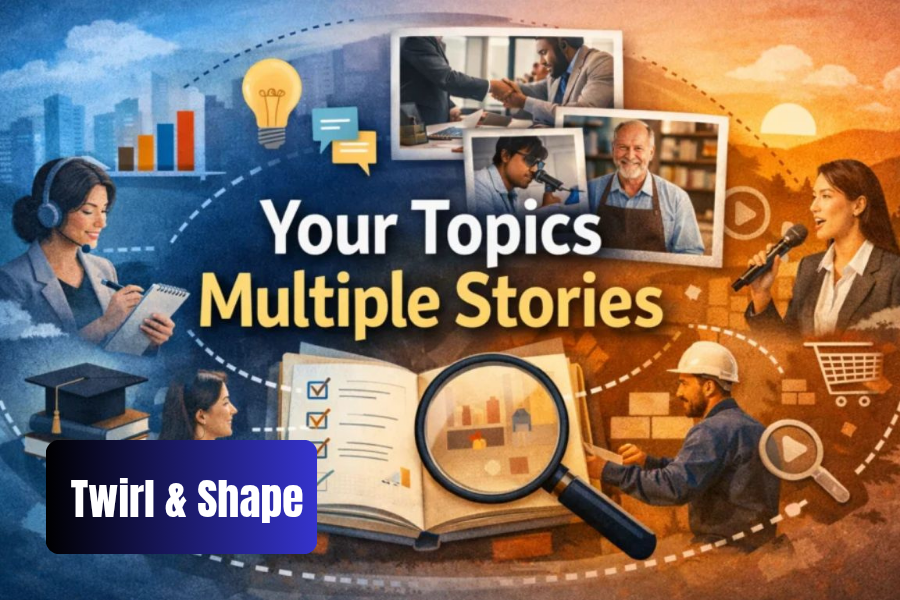
This shift has led to the rise of a powerful content strategy known as your topics | multiple stories. The concept focuses on exploring one main subject through several interconnected narratives rather than relying on a single explanation. By presenting different perspectives, examples, and experiences related to the same topic, creators can provide readers with deeper insight and a more meaningful understanding.
The your topics | multiple stories framework has become increasingly popular across digital media, education, content marketing, journalism, and storytelling. It reflects how people naturally process information—through stories, comparisons, and diverse viewpoints rather than isolated facts.
This article explores the idea in detail, examining its principles, applications, benefits, and future relevance in a world where content must be both engaging and informative.
Understanding the Concept of Your Topics | Multiple Stories
At its core, your topics | multiple stories is a storytelling and content development approach that focuses on presenting a central subject through multiple related narratives. Instead of limiting a topic to a single explanation, this strategy encourages creators to explore different dimensions of the subject.
Each narrative contributes a unique perspective while remaining connected to the central theme. These stories might include research findings, expert commentary, real-life experiences, case studies, or practical guides.
For example, consider a topic such as digital education. A traditional article might simply explain what digital learning is. However, using the your topics | multiple stories approach, the same topic could be explored through several narratives:
- The history of digital education
- Student experiences with online learning
- Expert opinions from educators
- Data about learning outcomes
- Technological innovations in education
Together, these narratives create a comprehensive view that is far richer than a single explanation.
The goal is not simply to provide more information but to present knowledge in a way that is engaging, layered, and meaningful.
Why Your Topics | Multiple Stories Matters Today
Modern audiences expect content that is both informative and engaging. People rarely want to read dry explanations or overly technical discussions without context. Instead, they prefer stories that help them understand why a topic matters and how it connects to real life.
The your topics | multiple stories strategy addresses this expectation by combining information with storytelling.
Several factors explain why this approach has become increasingly important:
Changing Reading Habits
Readers today scan information quickly and look for content that provides value immediately. Multiple narratives allow creators to present information in digestible sections, making complex topics easier to understand.
Growing Content Competition
Millions of articles are published online every day. Content that provides only surface-level information struggles to stand out. Exploring topics through multiple narratives creates depth that helps differentiate content.
Demand for Authentic Perspectives
Audiences trust information more when it includes diverse viewpoints, experiences, and examples. Multiple stories help demonstrate authenticity and credibility.
Search Engine Expectations
Search engines increasingly prioritize comprehensive content that covers topics thoroughly. By naturally including related ideas and subtopics, your topics | multiple stories helps improve search visibility without artificial keyword stuffing.
Core Principles Behind Your Topics | Multiple Stories
While the concept may appear simple, successful implementation requires a clear structure. Several core principles guide this storytelling approach.
1. A Clearly Defined Central Topic
Every article or content project must begin with a focused subject. This central topic acts as the foundation for all connected narratives.
Without a clear theme, multiple stories can become confusing rather than informative.
2. Interconnected Narratives
Each story should contribute something new to the overall topic. These narratives may include:
- Personal experiences
- Case studies
- Historical context
- Expert insights
- Research findings
The key is that every narrative expands the reader’s understanding.
3. Diverse Perspectives
Multiple stories allow creators to explore a topic from various viewpoints. These perspectives might include cultural differences, professional expertise, geographic variation, or generational experiences.
Presenting diverse viewpoints makes content more realistic and relatable.
4. Logical Structure
Although multiple narratives are used, the article must remain organized and easy to follow. A logical progression helps readers understand how each section connects to the overall topic.
Applications of Your Topics | Multiple Stories
The your topics | multiple stories strategy is widely used across different fields and industries.
Content Marketing
Businesses and brands increasingly rely on storytelling to communicate their values and connect with customers.
Instead of promoting products directly, companies often share narratives about their mission, innovation, and customer experiences. These stories create emotional connections that traditional advertising rarely achieves.
For example, a technology company might publish several stories about a new product:
- The problem the product solves
- The development journey
- Customer success stories
- Expert reviews
Together, these narratives create a compelling story around the product.
Journalism and Media
Journalists frequently use multiple narratives to explore complex issues. A single news story might focus on the main event, while additional reports examine historical context, social impact, and personal experiences.
This approach helps audiences understand the broader implications of major events.
Education and Learning
Educational systems increasingly recognize the value of storytelling in teaching complex concepts.
Instead of presenting isolated facts, educators can use the your topics | multiple stories method to connect theory with real-world examples.
For instance, a lesson about environmental sustainability could include:
- Scientific explanations of climate change
- Historical environmental policies
- Community initiatives
- Personal stories from affected regions
These narratives help students develop a deeper and more meaningful understanding of the topic.
Digital Media and Online Publishing
Blogs, podcasts, and video platforms often rely on multi-layered storytelling to keep audiences engaged.
A single topic can generate multiple forms of content, including interviews, tutorials, analysis pieces, and opinion articles. Each piece adds a new perspective while contributing to the overall theme.
This strategy allows creators to maintain audience interest while expanding their content library.
Benefits of Using Your Topics | Multiple Stories
The popularity of this approach is largely due to the numerous advantages it provides.
Deeper Audience Engagement
Stories capture attention more effectively than simple explanations. By presenting several narratives, creators increase the chances that readers will find a story that resonates with them.
Improved Knowledge Retention
Research shows that people remember information more easily when it is presented within stories. Multiple narratives reinforce key ideas by presenting them in different contexts.
Stronger Authority and Credibility
Content that explores topics from several angles demonstrates expertise and thorough research. This helps build trust with readers.
Enhanced Creativity
For writers and creators, the your topics | multiple stories framework encourages creativity. Instead of repeating the same explanation, creators can experiment with different storytelling styles and perspectives.
Single Story vs Multiple Stories
Understanding the difference between traditional content and the multiple stories approach highlights why this strategy is so effective.
| Feature | Single Story Approach | Multiple Stories Approach |
|---|---|---|
| Perspective | One viewpoint | Multiple viewpoints |
| Depth | Limited explanation | Comprehensive coverage |
| Engagement | Short-term interest | Long-term engagement |
| Examples | Few examples | Diverse real-world examples |
| Understanding | Surface-level | Deep and contextual |
By providing several narratives, the multiple stories method creates a richer learning experience.
How to Apply the Your Topics | Multiple Stories Strategy
Content creators who want to use this approach can follow a few practical steps.
Step 1: Choose a Strong Core Topic
The topic should be clear, relevant, and broad enough to support multiple perspectives. Topics related to technology, education, culture, health, or business often work well.
Step 2: Identify Story Angles
Next, identify different narratives connected to the topic. These might include:
- Personal stories
- Expert insights
- Case studies
- Comparisons
- Historical context
Each narrative should add new value.
Step 3: Maintain Thematic Consistency
Although multiple stories are presented, they should all connect back to the central theme. This ensures the content remains coherent.
Step 4: Organize the Content Clearly
Structure the article in a logical way so readers can easily follow the progression of ideas.
Step 5: Provide Real Value
The goal of your topics | multiple stories is not simply to create more content but to provide meaningful insights that help readers understand the subject more deeply.
Psychological Impact of Story-Based Learning
Humans naturally respond to stories. Long before written language existed, knowledge was shared through storytelling.
Stories help people understand abstract ideas by connecting them to emotions, experiences, and relatable situations.
The your topics | multiple stories strategy uses this psychological principle to make information easier to absorb. When readers encounter multiple narratives related to the same subject, they begin to build a mental framework that connects ideas together.
This process strengthens comprehension and long-term memory.
Future Potential of Your Topics | Multiple Stories
As technology continues to evolve, storytelling methods will also expand.
Artificial intelligence, interactive media, and immersive digital platforms are already transforming how content is created and consumed.
The your topics | multiple stories approach is likely to become even more relevant in the future because it supports personalized and interactive learning experiences.
For example, future educational platforms may present topics through dynamic narratives that adapt to each learner’s interests and knowledge level.
Similarly, digital media platforms may use layered storytelling to deliver personalized content journeys.
These developments suggest that the multiple stories framework will remain a key strategy for communication and education in the years ahead.
Also Read More: Las Vegas Raiders vs Kansas City Chiefs Match Player Stats
Conclusion
The concept of your topics | multiple stories represents a significant evolution in how information is presented and understood. By exploring a single subject through multiple narratives, this approach provides depth, engagement, and clarity that traditional single-story explanations often lack.
Across industries—from education and journalism to marketing and digital publishing—the strategy helps creators communicate complex ideas in ways that feel meaningful and relatable.
For writers, educators, businesses, and content creators, mastering the your topics | multiple stories approach offers an opportunity to produce richer and more impactful content.
In an era where attention is limited but curiosity remains strong, storytelling through multiple perspectives may be one of the most effective ways to inform, inspire, and connect with audiences.
Welcome to Twirl N Shape — Your Journey of Inspiration Starts Here