
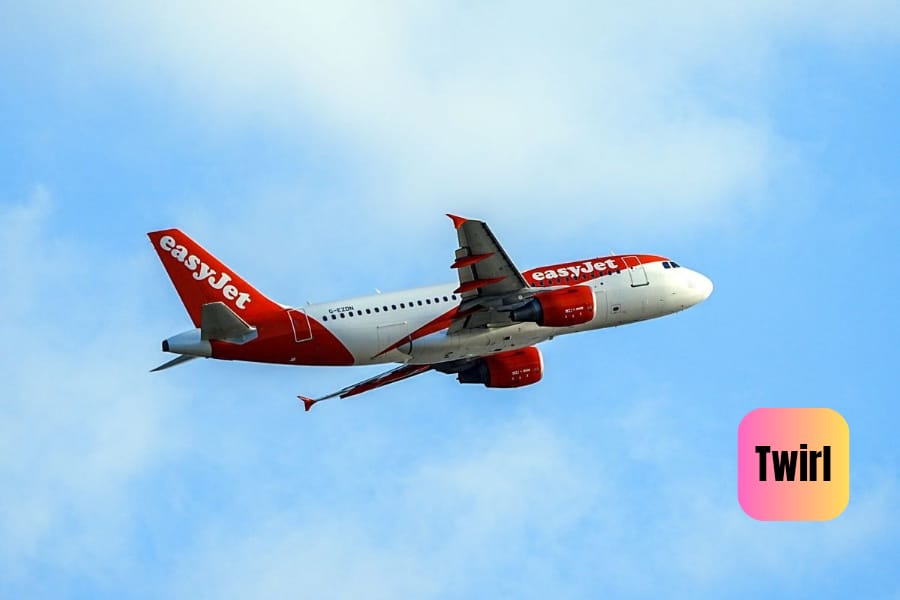

Air travel is widely recognized as one of the safest forms of transportation in the modern world. However, unexpected situations can still occur during flights, and when they do, airlines rely on carefully designed safety procedures to protect passengers and crew. The easyjet flight u2238 emergency landing newcastle incident provides a clear example of how aviation professionals respond quickly and responsibly to emergencies.
The flight, operated by easyJet, was traveling from Copenhagen to Manchester when a passenger experienced a medical emergency. As a result, the pilots diverted the aircraft and safely landed at Newcastle International Airport so the passenger could receive immediate medical care.
Although emergency diversions can be unsettling for travelers, they highlight the effectiveness of aviation safety systems, crew training, and coordinated responses between airlines and ground services. This article explores the circumstances surrounding the incident, the procedures followed by the crew, and why passenger cooperation plays a crucial role during such events.
Understanding the Medical Emergency on Flight U2238
Medical emergencies on commercial aircraft are relatively uncommon but not unheard of. Every day, thousands of flights transport millions of passengers across the globe, and within that large volume of travelers, some individuals may experience sudden health complications.
In the case of the easyjet flight u2238 emergency landing newcastle, a passenger reportedly required urgent medical attention while the aircraft was still in the air. Cabin crew members quickly assessed the situation and began providing assistance using the medical equipment available onboard.
Commercial aircraft are equipped with several types of emergency medical supplies. These typically include first-aid kits, oxygen systems, and automated external defibrillators (AEDs). Flight attendants are trained to use these tools and deliver initial care until professional medical services become available on the ground.
Once the seriousness of the passenger’s condition became clear, the crew communicated with the cockpit. The pilots then evaluated the situation and determined that diverting the flight would allow the passenger to receive faster medical treatment. This decision ultimately led to the aircraft landing at Newcastle instead of continuing directly to Manchester.
The Role of Pilots in Handling Aviation Emergencies
Pilots play a critical role when unexpected situations arise during flights. Beyond operating the aircraft, they must make complex decisions that prioritize safety while considering multiple operational factors.
During the easyjet flight u2238 emergency landing newcastle, the pilots needed to assess the medical situation, determine the nearest suitable airport, and coordinate with air traffic control. These decisions often occur within a short timeframe and require calm judgment and strong situational awareness.
Pilot training includes extensive preparation for emergencies. Flight simulators replicate real-world scenarios such as severe weather, technical issues, and medical incidents. This training allows pilots to practice decision-making under pressure and ensures they are ready to respond effectively when real events occur.
In the case of flight U2238, the pilots determined that Newcastle was the most appropriate location for the diversion. The airport offered the necessary infrastructure and emergency services required to assist the passenger quickly after landing.
Cabin Crew: The First Responders in the Air
While pilots manage the aircraft, cabin crew members are responsible for passenger safety and comfort inside the cabin. In many situations, they serve as the first responders when emergencies occur.
During the medical situation on flight U2238, the flight attendants played an essential role in identifying the issue, assisting the affected passenger, and maintaining calm among other travelers.
Cabin crew training includes:
- First-aid procedures
- Cardiopulmonary resuscitation (CPR)
- Use of medical equipment such as defibrillators
- Communication and passenger management during emergencies
These skills enable flight attendants to handle a variety of situations, from minor medical issues to more serious incidents requiring immediate attention.
By remaining calm and organized, the crew ensured that the passenger received assistance while the rest of the cabin remained stable and cooperative.

The Importance of Passenger Cooperation
One factor that significantly contributes to the successful handling of inflight emergencies is passenger cooperation. When travelers follow instructions from the crew and remain calm, it allows airline staff to focus on resolving the situation efficiently.
The easyjet flight u2238 emergency landing newcastle incident highlights how cooperation from passengers can make a meaningful difference. In situations where a medical issue arises, crew members may need space to assist the affected individual or access emergency equipment quickly.
Passengers who remain patient and attentive to instructions help maintain order inside the cabin. This supportive environment allows flight attendants and pilots to concentrate on their responsibilities without unnecessary distractions.
Air travel safety is not solely dependent on airline personnel; it also involves a level of shared responsibility among everyone onboard.
Why Newcastle Was Selected for the Emergency Landing
When pilots decide to divert a flight, the choice of airport is influenced by several important factors. These include the distance to the airport, available medical services, runway capabilities, and weather conditions.
For flight U2238, Newcastle International Airport provided the most suitable option. The airport is well equipped with emergency services and medical facilities capable of responding to urgent health situations.
Once the aircraft approached Newcastle, air traffic control coordinated with airport authorities to prepare for the landing. Emergency medical teams were ready to assist the passenger as soon as the plane touched down.
After landing safely, the passenger was transferred to medical professionals for further treatment. The quick response ensured that the individual received the necessary care without further delay.
Medical Assistance After the Aircraft Landed
After an emergency landing, the primary focus shifts from flight operations to passenger health and safety. Medical professionals assess the affected individual and determine the appropriate course of treatment.
In incidents such as the easyjet flight u2238 emergency landing newcastle, local emergency services typically board the aircraft or meet the passenger at the gate. Paramedics evaluate the individual’s condition and may transport them to a nearby hospital if additional care is required.
Airlines also support passengers involved in medical incidents by providing information and coordinating with local authorities when necessary. This assistance ensures that travelers receive continued care even after the flight has ended.
Post-Landing Aircraft Inspections and Safety Procedures
Once an aircraft completes an emergency diversion, additional inspections are usually conducted before it resumes normal operations. Maintenance crews check the aircraft to confirm that all systems are functioning properly.
Although a medical diversion does not usually involve technical problems with the plane itself, airlines follow strict procedures to verify that the aircraft remains safe for further travel.
Maintenance teams may inspect:
- Cabin systems and safety equipment
- Aircraft performance data
- Operational logs related to the diversion
These inspections are part of the aviation industry’s commitment to maintaining high safety standards across every stage of flight operations.
Aviation Safety and Modern Technology
Modern aviation relies heavily on advanced technology to ensure safe operations. Aircraft are equipped with monitoring systems that continuously track engine performance, fuel usage, navigation systems, and structural integrity.
These technologies provide pilots with real-time information that helps identify potential issues before they become serious problems.
In addition to technical systems, airlines invest in medical preparedness. Most commercial aircraft carry equipment designed to address health emergencies, including oxygen supplies and defibrillators.
The combination of technology and professional training allows flight crews to respond effectively to unexpected situations, ensuring that passengers remain protected even during challenging circumstances.

Why Air Travel Remains One of the Safest Transportation Methods
Despite occasional incidents like the easyjet flight u2238 emergency landing newcastle, aviation remains one of the safest forms of transportation available today.
Several factors contribute to this exceptional safety record:
- Strict international regulations governing airline operations
- Continuous training programs for pilots and cabin crew
- Advanced aircraft technology and monitoring systems
- Comprehensive maintenance and inspection procedures
Organizations such as the International Civil Aviation Organization and the European Union Aviation Safety Agency establish guidelines that airlines must follow to maintain high safety standards.
These regulations ensure that the aviation industry operates under strict oversight and accountability.
The Role of Air Traffic Control in Emergency Situations
Air traffic controllers are responsible for managing aircraft movement within controlled airspace. During emergencies, they play a vital role in coordinating safe flight paths and facilitating rapid responses.
When the crew of flight U2238 requested a diversion, air traffic control helped guide the aircraft toward Newcastle and prioritized its landing. Controllers also communicated with airport authorities to ensure that emergency services were ready when the aircraft arrived.
This coordination between pilots and controllers helps prevent congestion in the airspace and ensures that emergency situations are handled efficiently.
Teamwork Across the Aviation Industry
One of the most important lessons from the easyjet flight u2238 emergency landing newcastle incident is the importance of teamwork in aviation.
Safety is achieved through collaboration among multiple professionals, including:
- Pilots
- Cabin crew
- Air traffic controllers
- Ground operations teams
- Emergency medical personnel
Each group plays a specific role in ensuring that flights operate safely and that emergencies are resolved effectively.
Passengers also contribute to this teamwork by remaining cooperative and attentive to safety instructions.
Continuous Improvement in Aviation Safety
The aviation industry is built on continuous learning and improvement. Every incident, diversion, or operational challenge provides valuable insights that help refine safety procedures.
Airlines carefully review events such as the diversion of flight U2238 to determine whether any improvements can be made to training programs or operational protocols.
Even when situations are handled successfully, aviation professionals analyze every detail to identify opportunities for enhancement.
This commitment to learning and innovation ensures that safety standards continue to evolve alongside technological advancements.

Frequently Asked Questions (FAQs)
1. What caused the easyJet flight U2238 emergency landing in Newcastle?
The flight was diverted after a passenger experienced a medical emergency that required urgent attention.
2. Why do airlines divert flights for medical emergencies?
Airlines prioritize passenger health and safety. If someone requires immediate medical care, pilots may land at the nearest suitable airport.
3. How common are medical emergencies during flights?
Medical incidents occur occasionally but are relatively rare compared to the large number of flights operating worldwide each day.
4. What medical equipment is available on airplanes?
Most commercial aircraft carry first-aid kits, oxygen systems, and automated external defibrillators.
5. Are flight attendants trained to handle medical emergencies?
Yes, cabin crew members receive training in first aid, CPR, and the use of onboard medical equipment.
6. What happens to the flight after an emergency landing?
After the affected passenger receives medical assistance, the aircraft may continue its journey once safety checks are completed.
Also Read More: Delta Flight DL275 Diverted LAX
Conclusion
The easyjet flight u2238 emergency landing newcastle demonstrates how aviation systems are designed to protect passengers in unexpected situations. When a medical emergency occurred onboard, the crew responded quickly by following established safety procedures and diverting the aircraft to the nearest suitable airport.
The incident highlights the professionalism of pilots, the dedication of cabin crew members, and the importance of cooperation from passengers. It also shows how coordination between airlines, air traffic control, and emergency services ensures that emergencies are managed effectively.
Although diversions may cause temporary inconvenience, they ultimately reflect the aviation industry’s commitment to safeguarding human life. Through advanced technology, rigorous training, and continuous improvement, modern aviation continues to maintain its reputation as one of the safest and most reliable forms of transportation in the world.
Dive Into Twirl N Shape — A World of Creativity and Possibilities