


New york jets vs bengals match player stats: Football games are more than just final scores. Every play, catch, and tackle tells a story. If you’ve ever looked at a box score and wondered what actually happened on the field, you’re not alone. Player stats can help you see the game in a whole new way. They show who made a difference, who kept the team moving, and which moments really mattered. In the Jets vs Bengals matchup, the numbers reveal a lot about strategy, effort, and momentum.
In this article, we’ll break down the game piece by piece. You’ll see how quarterbacks handled pressure, how running backs and receivers influenced the offense, and how defense and special teams shaped the outcome. We’ll also look at key turning points and what this means if you play fantasy football. By the end, you’ll understand not just who scored, but how the game unfolded.
Quarterback Performance
Quarterbacks are the engine of any football team. Every decision they make—every throw, every check at the line—affects how the offense moves. In the Jets vs Bengals matchup, both quarterbacks had very different styles, but each influenced the game in significant ways. The Jets’ quarterback relied on steady, controlled passing to keep the offense balanced. The Bengals’ quarterback, in contrast, used mobility and deep throws to generate big plays and shift momentum. Watching the game, it’s clear that quarterback performance isn’t just about numbers—it’s about how those numbers affect drives, scoring opportunities, and even the defense’s mindset. A well-placed pass can keep a drive alive, force a defensive adjustment, or energize the team, while a poorly timed throw can stall momentum or lead to a turnover. The stats alone—completions, attempts, passing yards, and passer rating—tell only part of the story. When combined with context, like third-down situations or pressure from defenders, they reveal who truly shaped the flow of the game. Understanding these nuances helps you see why one quarterback’s style can set the tone for the entire matchup.
Jets Quarterback Overview
The Jets’ quarterback showed a calm, controlled approach throughout the game. He focused on short, precise passes that kept the offense moving while avoiding risky throws. This approach was especially important on third downs, where a single completion can extend a drive and keep the chains moving. His decision-making under pressure limited turnovers, which is crucial in tight games. Even when the Bengals’ defensive line applied heavy pressure, he remained composed, stepping up in the pocket and hitting receivers in stride. In real-life terms, think of it like a driver navigating a crowded street: small, careful adjustments can prevent accidents while still making steady progress. Statistically, he didn’t produce the flashiest numbers, but his completions and the timing of his passes helped maintain offensive stability. By keeping the Jets on schedule and reducing mistakes, he gave his team a chance to stay in the game and fight for key scoring drives. His performance shows that reliability and situational awareness can be just as impactful as explosive plays in shaping the outcome.
Bengals Quarterback Overview
Cincinnati’s quarterback brought a more dynamic style to the field. He frequently extended plays outside the pocket, looked for deep targets, and kept the offense moving even under defensive pressure. His ability to make big plays at the right moments helped the Bengals build momentum, especially in the first half. The stats reflect this efficiency: high completion percentage, multiple key touchdowns, and virtually no turnovers. But beyond numbers, his impact was visible in how the Bengals’ offense stretched the field and forced the Jets to defend multiple threats at once. Imagine a chess player constantly changing strategies to keep their opponent off balance—that’s how his mobility and vision affected the defense. He made plays that weren’t just about gaining yards but about shifting momentum and keeping his team confident. When a quarterback can make explosive plays while minimizing mistakes, it changes how the opposing team plays, opening up opportunities for other skill players and keeping scoring drives alive.
How QB Decisions Shaped the Game
The clash of styles between the Jets’ controlled passing and the Bengals’ dynamic playmaking created an interesting rhythm. The Jets relied on short, methodical passes to maintain possession and gradually move the chains. This forced the Bengals’ defense to stay disciplined and focus on stopping each step. Meanwhile, the Bengals used deep throws and mobility to create sudden bursts of yardage, stretching the Jets’ coverage and opening up space for their running backs and receivers. These differing approaches influenced drive length, scoring chances, and even field position. For example, a Jets completion on third-and-short allowed the team to maintain momentum, while a Bengals deep completion forced the Jets to adjust their defensive scheme immediately. Watching the game in real life, you could see how quarterback decisions shaped every sequence. The timing of each pass, the risk taken on certain throws, and the ability to read the defense all contributed to the flow of the game.
Rushing Game Highlights
Running backs do more than just gain yards—they control the pace of the game. A strong ground attack keeps the offense balanced, tires out the defense, and opens up passing opportunities. In the Jets vs Bengals matchup, both teams leaned heavily on their running game, but in different ways. The Jets focused on steady, consistent gains to maintain possession and keep drives alive. This approach forced the Bengals to respect the run on every play, which created space for short passes and manageable third-down situations. On the other hand, the Bengals’ running backs combined speed and power to create explosive plays that could shift momentum quickly. Their ability to break tackles or gain yards after contact forced the Jets’ defense to stay alert and adapt on the fly. In real-life terms, think of running the ball like setting a metronome for the offense—short, consistent gains keep the team on rhythm, while sudden big runs energize the players and fans alike. Together, these styles showed how critical running backs are in shaping the overall strategy of the game.
Jets Running Backs

The Jets’ running backs acted as reliable, consistent workhorses throughout the game. They focused on short- to medium-yardage gains that kept drives alive and reduced risky situations. On third downs and short-yardage plays, their ability to pick up a few tough yards kept the chains moving and allowed the quarterback to maintain a rhythm in the passing game. From a practical perspective, it’s like walking a tightrope carefully—small, measured steps avoid mistakes while still progressing toward the goal. Their consistent effort also gradually wore down the Bengals’ defensive line, forcing defenders to stay disciplined on every play. By doing the little things right—secure handoffs, picking up key yards, and staying patient—the Jets’ running backs played a huge role in keeping their offense in control, even if the flashy, long runs grabbed the headlines less often.
Bengals Running Backs
Cincinnati’s running backs brought a different energy to the field—they were explosive and versatile. They gained yardage on the ground and contributed in the passing game, catching short throws out of the backfield and turning them into significant gains. Their combination of speed, strength, and agility forced the Jets to defend both the run and pass at the same time, creating mismatches for the Bengals’ receivers. In practice, this is like forcing the defense to play chess while also running at full speed—they couldn’t predict whether the next snap would be a handoff, pitch, or pass. The ability to break tackles and gain extra yards after contact opened scoring opportunities and shifted momentum in Cincinnati’s favor. Even when the offense slowed down, the running backs’ versatility kept the Jets’ defense guessing and prevented them from focusing solely on the passing game. The stats reflect this dual threat: yards gained, receptions, and key first downs all contributed to the Bengals’ ability to sustain drives and apply constant pressure.
How the Ground Game Influenced Offensive Balance
The contrast between the Jets’ steady running and the Bengals’ explosive style highlights why running the ball is so important. For the Jets, short, controlled gains maintained possession, extended drives, and allowed the quarterback to operate without taking unnecessary risks. For the Bengals, bigger runs opened space downfield for their receivers and forced the Jets to adjust their defensive coverage constantly. This balance between rushing and passing is crucial: a team that can run effectively forces the defense to respect both aspects, which prevents defenders from focusing on one strategy. In real life, think of it like cooking a balanced meal—too much of one ingredient and the flavor is off; the right mix makes everything work together. The stats back this up: teams with balanced ground games often convert more third downs, control time of possession, and create more scoring chances. Without that balance, quarterbacks face heavier pressure, drives stall, and defenses can dominate the game.
Receiving Leaders and Offensive Weapons
Receivers are often the difference between a stalled drive and a scoring opportunity. In this Jets vs Bengals matchup, wide receivers and tight ends showed how critical they are for moving the chains and creating explosive plays. A good receiver doesn’t just catch passes—they make defenders miss, gain extra yards after contact, and convert key third downs. They help the quarterback maintain rhythm, stretch the field, and give the offense multiple ways to attack. Tight ends, often overlooked, contribute by blocking on running plays and serving as reliable targets in short-yardage or red zone situations. Watching the game, you could see how the flow of each drive depended on these skill players: the Jets relied on consistent chain-moving catches, while the Bengals used deep threats to create sudden, game-changing momentum. Understanding how receivers and tight ends impact both the passing and running game shows why football is a team sport—individual plays can set up the entire offense.
Jets Wide Receivers

The Jets’ wide receivers were steady and reliable throughout the game. They excelled at getting separation from defenders and making catches in traffic, which kept the offense on schedule. On crucial third downs, their route precision and sure hands allowed the Jets to maintain momentum, extending drives and keeping the Bengals’ defense on the field. Even when the receivers weren’t scoring touchdowns, their ability to gain yards after the catch and move the chains was vital. In practical terms, imagine a delivery team: a driver who consistently delivers small packages on time is just as valuable as one who occasionally delivers a huge order late. Similarly, the Jets’ receivers may not have had the longest catches every time, but they consistently gave the offense opportunities to keep drives alive. This kind of reliability also helps the quarterback feel confident, knowing a pass to the slot or sideline will likely be completed, which reduces pressure and mistakes under defensive blitzes.
Bengals Wide Receivers
Cincinnati’s wide receivers brought big-play ability to the field. They were deep threats, catching long passes that turned into touchdowns or crucial first downs. Their ability to stretch the field forced the Jets’ defense to spread out, creating space for other offensive players, including running backs and tight ends. Explosive plays like these are not only visible in yards or scores—they also shift momentum, energize the team, and put opposing defenses on their heels. In practical terms, it’s like a sprinter breaking away in a race: the defense must adjust immediately, which opens opportunities for others. Several of the Bengals’ receptions came in high-pressure situations, showing the receivers’ ability to perform under stress and contribute when it mattered most. Stats reflect their impact in terms of yards, touchdowns, and yards after catch, but the real effect shows up in the defense’s reaction and the opportunities it creates for teammates. A receiver who can consistently force the defense to adjust becomes a focal point for offensive strategy.
Tight Ends and Hidden Contributions
Tight ends often operate quietly but are critical to both passing and running plays. In this game, both teams used tight ends to block for the quarterback and running backs, helping to open lanes and protect against pressure. They also served as safe, reliable targets on short-yardage passes, especially in clutch moments like third downs or red zone situations. Even if they didn’t rack up big stats, their contributions often kept drives alive and created scoring opportunities that wouldn’t be obvious from the box score. Think of them like multitasking assistants in an office—they may not get the big awards, but without their support, everything else slows down. By picking up blitzes or catching quick passes, tight ends allowed quarterbacks to operate under less pressure and running backs to find space. Their ability to contribute in multiple ways added depth and flexibility to each team’s offensive plan, proving that football success often comes from the unsung roles as much as the stars.
Defensive Standouts

Defense is often the hidden engine behind a team’s success. While touchdowns and big catches get the headlines, defensive plays can instantly change the course of a game. Sacks, interceptions, tackles for loss, and pressures all affect momentum, field position, and team confidence. In the Jets vs Bengals matchup, both defenses made critical contributions that shaped how drives unfolded. The Jets’ front line consistently applied pressure, forcing the Bengals’ quarterback to make quicker decisions and occasionally disrupting timing routes. At the same time, the Bengals’ secondary capitalized on mistakes, creating turnovers that directly led to scoring opportunities. In real-life terms, strong defense is like a well-timed traffic light: it can stop a fast-moving drive in its tracks, redirect momentum, and give your team a chance to take control. Even stats like total tackles or sacks don’t fully capture the psychological impact of a defensive play. When a linebacker makes a crucial tackle on third down or a cornerback intercepts a pass in the red zone, it energizes the entire team and can swing the game in a few seconds.
Jets Defensive Highlights
The Jets’ defense played a key role in keeping their team competitive. Their defensive line applied consistent pressure, recording multiple sacks and forcing hurried throws. These plays disrupted the Bengals’ timing, making it harder for their quarterback to connect on deep passes. Linebackers and defensive backs contributed with key tackles that stopped drives before they could reach scoring positions. Even when the Jets’ offense stalled, defensive stops gave the team extra chances and opportunities to swing momentum. A real-life example is a well-timed sack on third down, which not only pushes the offense back but also sets up easier situations for your own offense after a punt or turnover. Beyond raw stats, these plays show discipline, preparation, and awareness—the Jets’ defense forced the Bengals to adjust on the fly. By combining pressure up front with smart coverage in the backfield, the Jets kept the game within reach and created multiple scoring opportunities.
Bengals Defensive Highlights
Cincinnati’s defense delivered decisive, game-changing plays. Their secondary made tight coverage plays that limited big gains, while linebackers and linemen disrupted timing and blocked lanes. Most notably, a key interception stopped a Jets drive in the red zone, instantly shifting momentum and creating a scoring chance for Cincinnati. Plays like this demonstrate how defense is more than reactive—it actively sets up opportunities for the offense. Explosive stops also force offenses to rethink their strategy, making quarterbacks hesitate and defenders overcommit. From a practical perspective, it’s like a goalie in soccer: a critical save not only prevents a goal but also energizes teammates and shifts confidence. The Bengals’ ability to combine coverage, pressure, and timely turnovers allowed them to control the flow of the game at pivotal moments. Even if yardage stats were close, these defensive plays highlight how impactful situational performance can be.
How Defense Shaped Momentum
The interplay between these two defenses created a back-and-forth rhythm throughout the game. The Jets’ pressure forced quick decisions and occasional errors, slowing the Bengals’ offensive flow. Meanwhile, the Bengals’ turnovers and tight coverage gave them sudden bursts of advantage. This constant exchange affected not just the scoreboard but the psychological flow of the game. Offenses had to adjust on the fly, quarterbacks felt the pressure, and every possession carried extra weight. In real-life terms, it’s like a tug-of-war: each team’s defensive stop pulls momentum in their favor and forces the opponent to react. Stats alone—like tackles or sacks—don’t capture this dynamic, but watching the game reveals how crucial defense is in controlling tempo. Field position, third-down stops, and turnovers all contribute to a team’s confidence and strategy. Without strong defensive play, even a skilled offense can struggle to find rhythm or capitalize on opportunities.
Special Teams and Field Position
Special teams are often the unsung heroes of football. While touchdowns grab the headlines, punts, kickoffs, and field goals quietly shape the flow of the game. In this Jets vs Bengals matchup, special teams had a tangible effect on field position and momentum. A short punt return or a disciplined coverage unit can dramatically alter where an offense starts its drive. For instance, the Jets’ punt returner delivered an impressive return that placed the offense in excellent scoring range, immediately giving the quarterback shorter distances to target receivers and more options for play calls. Conversely, the Bengals’ coverage units were disciplined and minimized return yardage, forcing the Jets to start drives deeper in their own territory. This meant the Jets needed more first downs to reach the red zone, making each possession more critical.
Field goal and extra-point reliability also played a significant role. Successful kicks kept points on the board and maintained confidence, while any misses could undo the work of a long drive. Think of field position like chess: where your pieces start dictates the strategy for the next move. In football, starting closer to midfield or in the red zone makes it easier to score, while poor positioning forces riskier plays or longer drives that tire out your offense. Special teams may not make flashy plays every snap, but their influence on scoring potential and momentum is undeniable.
Key Moments and Turning Points
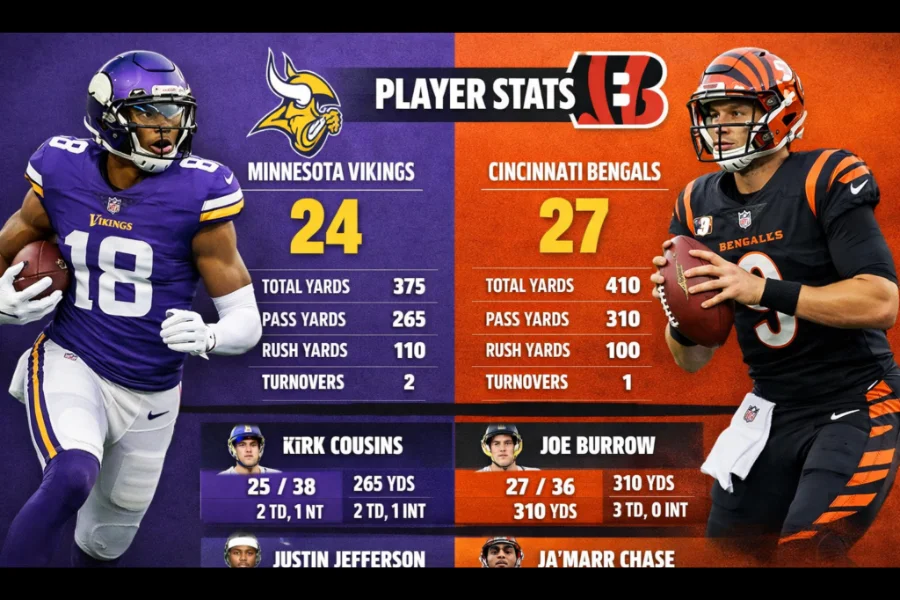
Every football game has defining moments that shift momentum, and the Jets vs Bengals matchup was no exception. These key plays often go beyond the stat sheet but can determine the outcome. Early in the second quarter, the Bengals converted a critical fourth-down play into a touchdown, giving them a momentum boost and putting pressure on the Jets’ offense. Later, the Jets responded with a timely interception in the third quarter, stopping a scoring drive and swinging energy back to New York. Small plays like these—whether a turnover, a big third-down conversion, or a red zone stop—can completely alter the rhythm of a game.
Red zone efficiency was another deciding factor. Teams may move the ball effectively between the 20-yard lines, but converting opportunities inside the 20 is what separates wins from losses. In this matchup, the Bengals capitalized on most of their red zone trips, while the Jets settled for a few field goals instead of touchdowns. Third-down conversions also dictated drive length and control. Teams that succeed on third down extend possessions, wear down defenses, and create more scoring chances. Watching these moments unfold, it becomes clear that football is not just about yardage—it’s about timing, situational awareness, and execution. Even a single play can create a cascade of events that shifts the scoreboard and energy of the game.
Team Performance and Strategic Insights
Looking at overall team stats provides context beyond individual performances. In this game, the Bengals posted slightly higher total yards and converted a greater percentage of third downs, which helped them sustain drives and build scoring opportunities. The Jets, however, managed some drives efficiently through a balanced mix of passing and rushing, showing that strategy can sometimes offset a statistical disadvantage. Time of possession, red zone efficiency, and turnover avoidance are all critical metrics that explain why one team succeeds while another falls short.
Coaching decisions were visible throughout the game. The Jets adjusted their offensive approach mid-game, emphasizing short passes and reliable running plays to regain momentum. The Bengals balanced their playcalling to protect a lead while still exploiting defensive mismatches. These tactical choices highlight that football is as much about strategy as it is about athletic ability. Even minor adjustments—like using a tight end more in blocking schemes or targeting a receiver on a specific mismatch—can tilt the outcome.
From a fantasy football perspective, players who consistently contributed in multiple ways—passing, rushing, or scoring—proved the most valuable. Explosive receivers, versatile running backs, and quarterbacks who protected the ball were reliable options for scoring points in real-life and fantasy leagues alike. Ultimately, team stats combined with coaching decisions paint the bigger picture: execution, efficiency, and situational awareness often matter more than total yardage or flashy plays.
Final Words
Football games are more than final scores—they’re a story told through every pass, tackle, and catch. In the Jets vs Bengals matchup, player stats reveal who made a difference, how drives progressed, and which moments shifted momentum. The Jets’ quarterback relied on short, precise passes to keep the offense steady, while the Bengals’ quarterback used mobility and deep throws to create explosive plays and force defensive adjustments. Running backs added balance: the Jets’ backs moved the chains consistently, while the Bengals’ backs combined speed and versatility to open the field for receivers. Wideouts and tight ends played crucial roles, converting third downs, making big catches, and keeping drives alive. Defenses impacted the game with sacks, turnovers, and timely stops, while special teams controlled field position and scoring opportunities. Key moments, like red zone conversions and fourth-down plays, ultimately shaped the outcome. Together, strategy, execution, and situational awareness proved that football is as much about smart play as it is about raw stats.
Start Exploring Twirl N Shape — Endless Inspiration Ahead